
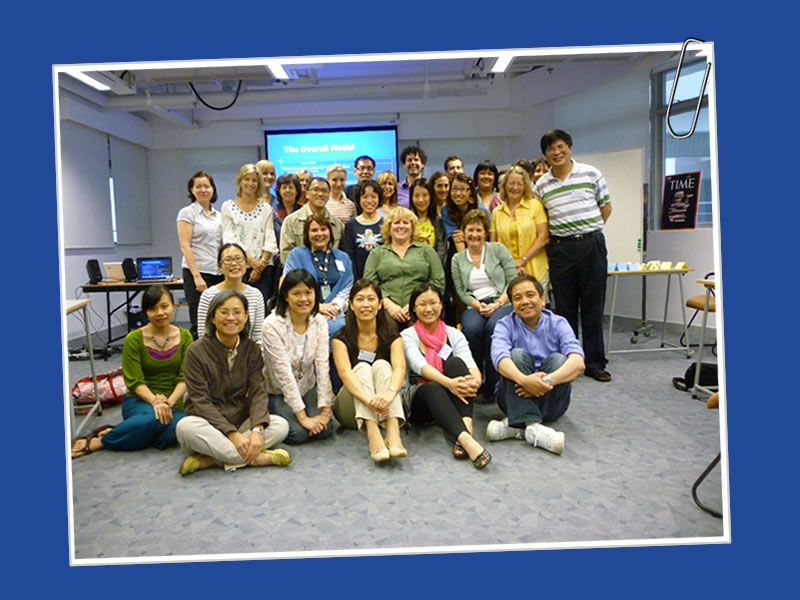
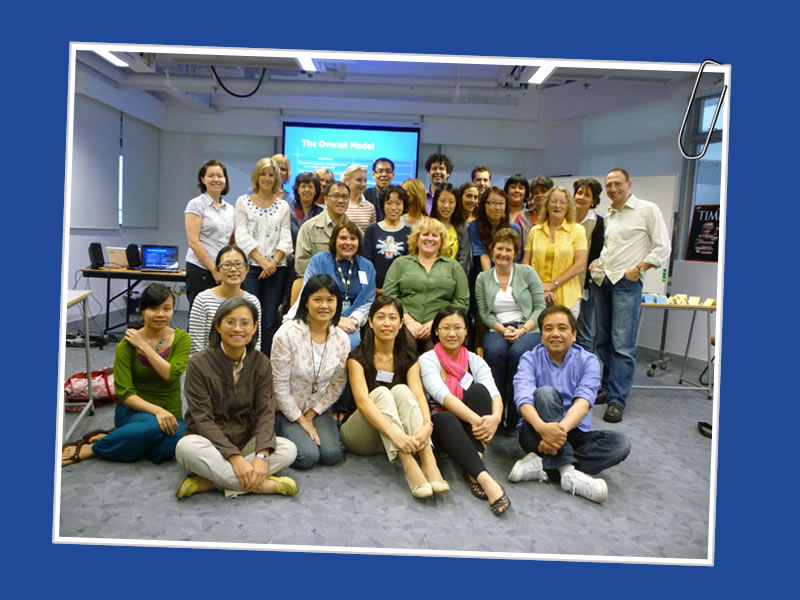
The Acceptance Commitment Therapy training facilitated by Dr. Robyn D. Walser was a huge success. We at Phoenix Practice are hugely grateful to all of you who attended. Here is the feedback from some of the participants:-
“I learned from the ‘real’ demonstration about ACT process. The exercises are also great for myself awareness.”
“It’s great and so insightful. I’m really grateful to join this 4-days workshops and it stimulates me so much. Robyn is so fun and lively. Thanks for organizing.”
“It was immensely enriching for me. Robyn’s style is gentle, firm and very calming which for me supportive in taking ‘risks’ and throwing myself in at the deep end. Thank-you.”
“I felt very good with the organization. The venue itself was light, bright, friendly.”
“The experiential nature of the training was invaluable which was provided by the most wonderful therapist I have ever witnessed. I felt privileged to be able to listen and learn from Robyn.”
“The venue was great, the food superb and the organization a credit to Phoenix Practice.”
“Very good learning experience: inspiring, enlightening.”
“It helps enhancing my understanding of ACT.”
“I enjoyed it very much. I appreciated very much the experiential flows, the personal sharing/disclosure, humour and compassion of Robyn.”
“The training was enjoyable, relevant, well delivered and fun.”
“Excellent organization, venue and administration.”
“This training was important to me both in a personal and professional way. I got a chance to stop and reflect/meditate on where I am at the moment in terms of personal relationships and living my values.”
“I enjoyed every minute. I particularly valued the experiential work – as a way of learning. I loved Robyn’s style and felt connected to the philosophy, value and approach in every way.”
“Very powerful. Robyn’s enthusiasm and professionalism made the 4 days so clear and enjoyable.”
“Very well organized and efficient.”
“Excellent, good co-ordination like lunch gathering gave a platform to communicate each other which facilitated the sharing during the workshop.”
“The organization, venue, administration are well prepared and well organized.”
“My heart has been beating at a faster rate day by day. This was a thrilling experience, and one that also touched me right inside. I hope there will be more.”
